 English
 Amharic
 Arabic
 French
 German
 Hindi
Hindi Korean
 Myanmar (Burmese)
 Nepali
 Pashto
 Russian
 Spanish
 Swahili
 Thai
Thai Vietnamese
Impact
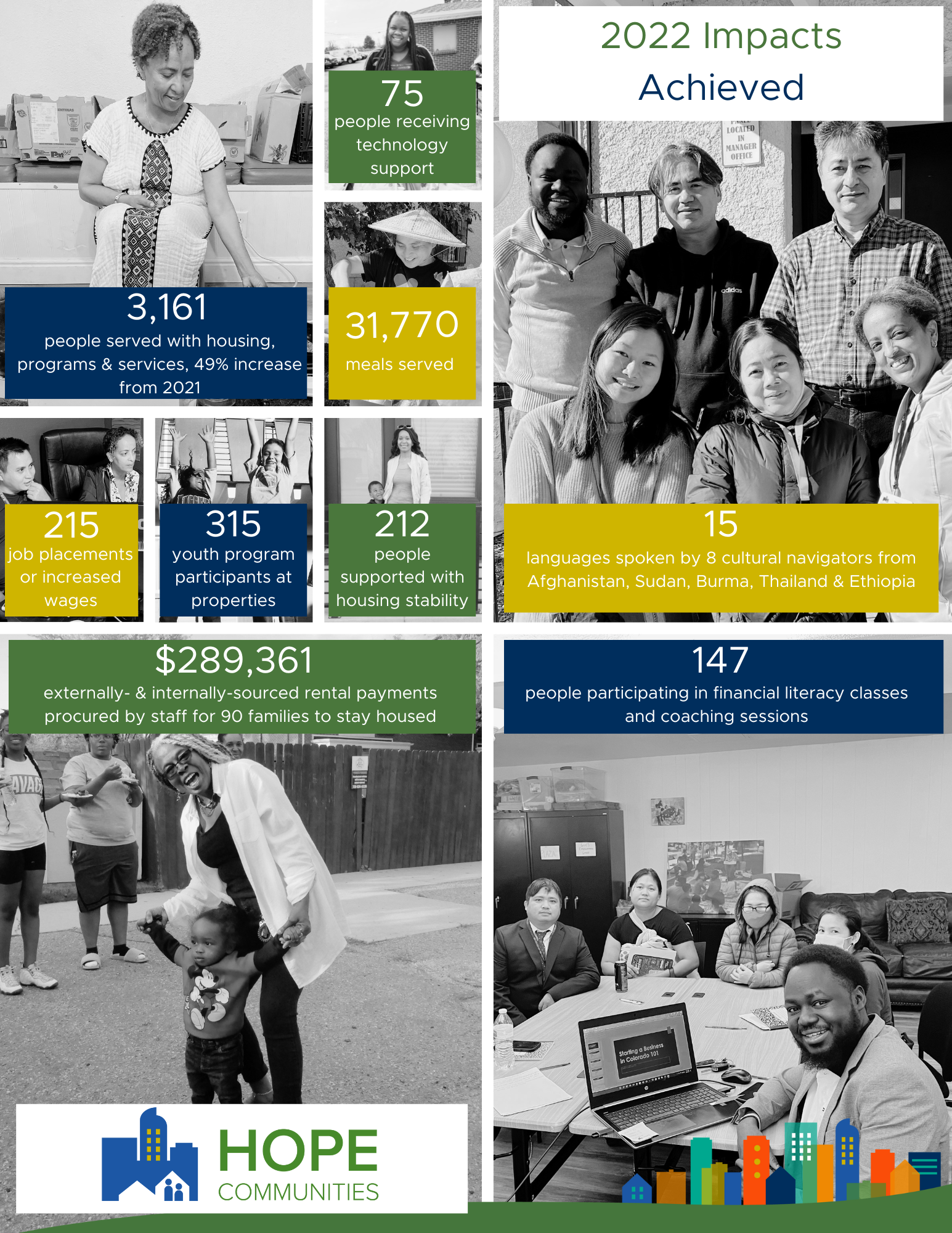
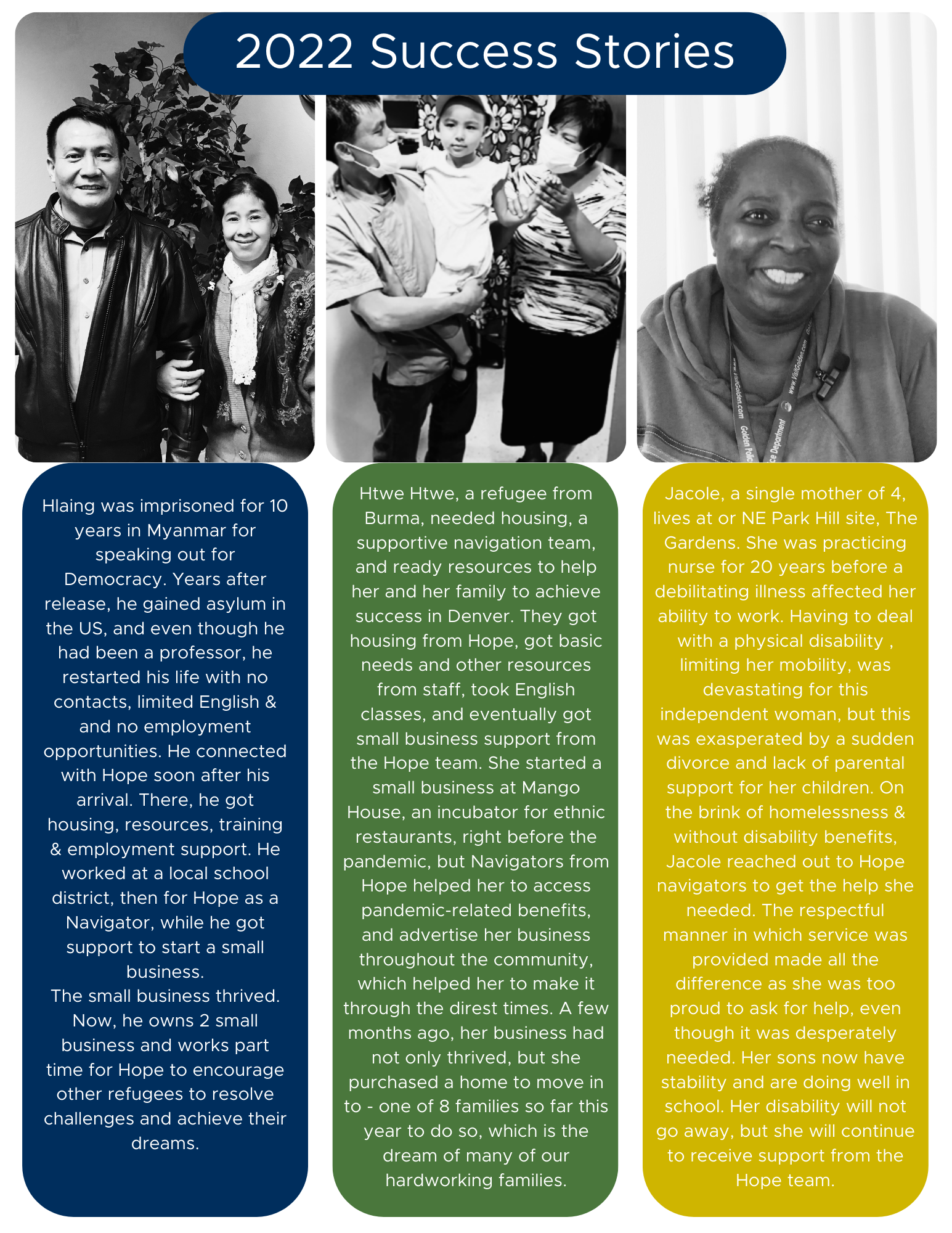
Impact by the Numbers*
Hope Board Member Tracey Stewart talks about the impact of Hope Communities in this short video.
Recent Posts

Helping Families This Holiday Season
Treasure Store 2025 The holidays can be magical, but they can also bring real financial pressure for families. Every parent wants their child to feel joy on their special day, yet many of our residents struggle to afford even a small gift. Treasure Store was created...
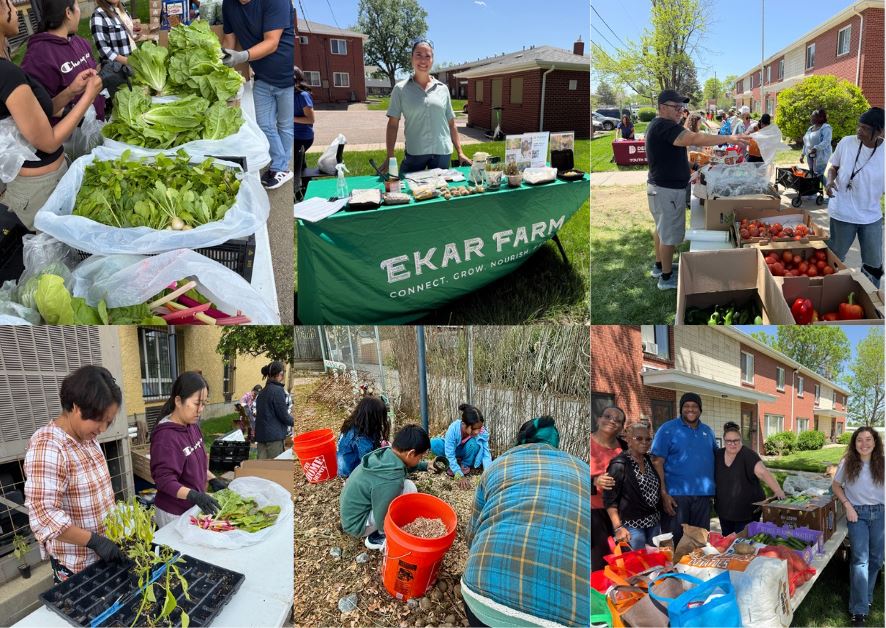
Partnerships that keep our communities fed: Ekar Farm
Since partnering with Ekar Farm in 2022, we have been able to strengthen the support we provide to our residents and clients. Their team has consistently stepped in to help us bring fresh produce to our community, filling in the places where our purchased food doesn’t...
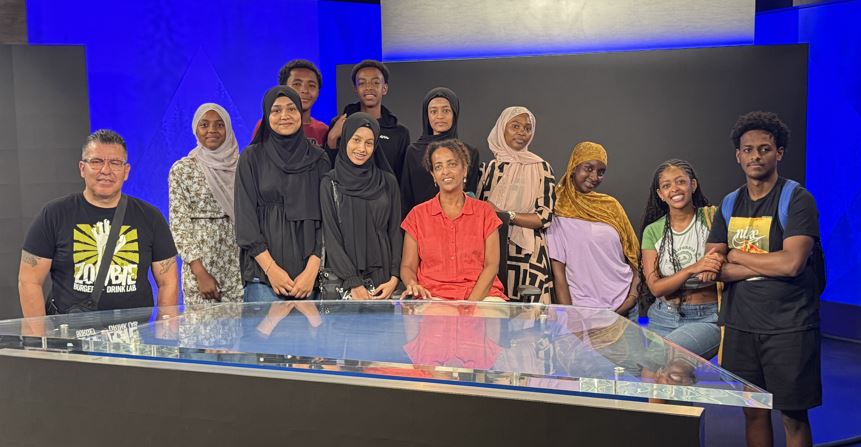
Summer Camp ’25
This past summer, thanks to generous support from the Awaka Group, HB Youth Program hosted a dynamic and enriching summer camp from June 9 to June 27, 2025. The program was designed to foster the holistic development of youth, offering a mix of indoor and outdoor...
#Schwab4Good
For years now, volunteers from Charles Schwab have shown up for Hope Communities with the same reliability and heart that defines this partnership. What started as a one-day volunteer event has grown into an ongoing relationship that strengthens our properties,...
Community Spotlight: Karna
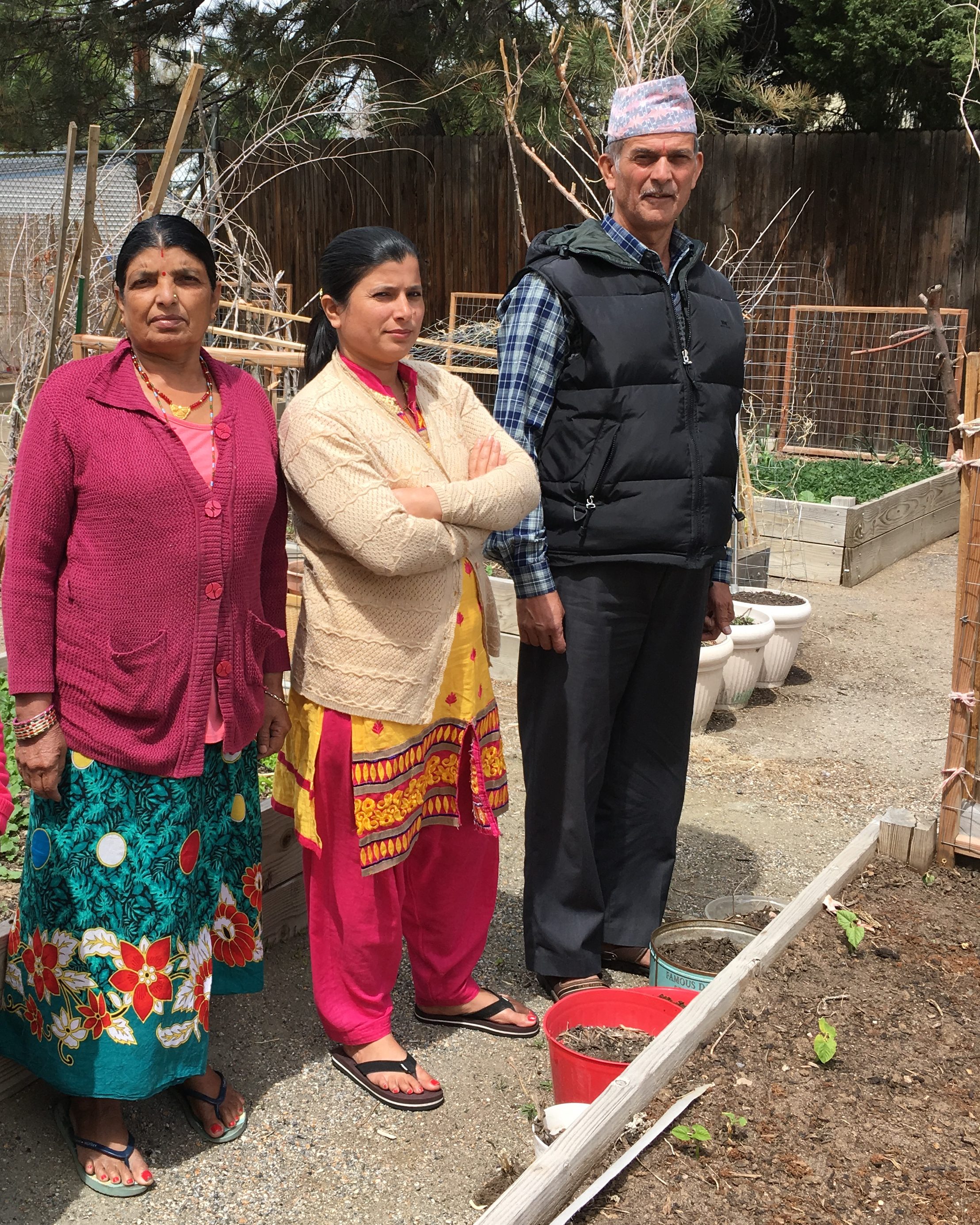 Karna joined our community in 2014 when he immigrated to the United States. Born and raised in Bhutan, Karna owned and operated a successful farm with his wife and children. He had large fields of corn, lemon and orange trees, and more than 50 head of cattle. Tragically, in 1993 the government suddenly declared Karna an illegal immigrant. Though he had lived in Bhutan his entire life, he was not considered ethnically Bhutanese, and thus expelled from the country. For the next 21 years of his life, he lived in a Nepali refugee camp. In the camp, rain would flood the grounds, and strong winds would knock down the walls of Karna’s flimsy housing structure. Undeterred by his circumstances, Karna volunteered to help his community. He worked with non-governmental organizations to distribute supplies and assisted with the organization and management of the camp. As the years passed, it became clear that Karna and his family would never be able to return to Bhutan.
“I’ve got only my children and my wife from Bhutan, nothing else.”
In 2007, the United Nations High Commissioner for Refugees along with eight partner countries agreed to begin resettling Bhutanese refugees permanently. Karna applied for his family to come to the United States, and in 2014 his application was accepted. Immediately upon arriving in the US, Karna and his family were placed in Denver at Hidden Brook Apartments.
Karna’s apartment at Hidden Brook is solidly constructed, safe, and a place that he can call his own.
“I like many items about living here,” he says, “I feel very safe. When I have any problem, I talk to [my] manager.” Karna and his wife receive assistance navigating the healthcare system here, and have also enrolled in an Elder Daycare program, where he interacts with others his age and explores the community. He has made friends with other Bhutanese and Nepali families at Hidden Brook, who also help him learn about his new home. Karna’s new life in Denver is filled with opportunity and family as a new grandfather, and proud father of three thriving adult children. Even while still learning English and with little formal education, he brings his agricultural knowledge to enhance Hidden Brook’s community gardens. His garden provides a bit of familiarity in a new world.
His apartment here at Hidden Brook is much more than a place to live. It is, finally, a place to call home.